
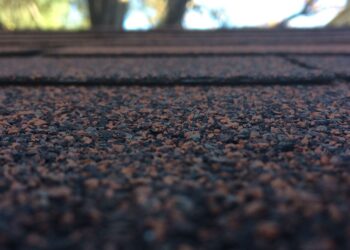
Finding gritty, sand-like particles in a gutter or at the bottom of a downspout can be unsettling. On many asphalt shingle roofs, those particles are mineral granules, and they play a real role in how the roof handles weather and sunlight. A small amount of granule shedding is often ordinary. A large or sudden amount may be a clue that shingles are aging, damaged, or being worn down faster than expected.
The important question is not simply whether granules are present. It is where they are coming from, how much is appearing, whether the loss is concentrated in one area, and what the shingles themselves look like. Looking at granule loss in context helps homeowners avoid two common mistakes: panicking over normal shedding or overlooking a roof that needs timely attention.
Why asphalt shingles have a granular surface
Asphalt shingles are built in layers. Their outer surface is covered with crushed mineral granules embedded in an asphalt coating. This coating is not merely decorative. The granules help shield the asphalt from ultraviolet exposure, add a measure of fire resistance, contribute to the shingle’s colour, and create the textured finish people associate with an asphalt roof.
When those granules remain well attached, they protect the asphalt beneath them from direct exposure to sun, rain, and changing temperatures. As granules wear away, the darker asphalt layer may become visible. That exposed material can weather more quickly, which is why widespread loss deserves attention even if the roof is not currently leaking.
Granules also affect how a roof looks from the ground. A few loose particles in the drainage system will not necessarily change the appearance of the roof. But irregularly dark patches, bare-looking areas, or colour differences between slopes can indicate that the roof surface is no longer wearing evenly.
A little shedding can be normal, especially on a newer roof
New shingles may release some excess granules after installation. Granules that did not fully embed during manufacturing can come loose as the roof settles into normal weather exposure. It is common to notice some of this material after the first heavy rain, particularly in gutters where water carries debris from several roof areas into one visible location.
That initial shedding should generally taper off rather than continue at the same pace. The practical distinction is pattern and persistence. An occasional light dusting of granules is different from repeatedly finding noticeable accumulations after ordinary weather or seeing bare patches develop on the roof itself.
Homeowners should also remember that gutters collect more than roofing material. Dirt, shingle fragments, leaves, and particles from nearby trees can mix together. Before assuming every grain came from the roof, inspect the material closely and compare it with the texture and colour of the shingle surface.
Age-related wear is the most common long-term cause
Every roof is exposed to years of sunlight, moisture, wind, and temperature swings. Over time, the asphalt binder that holds granules in place can become less flexible. As the shingles age, more granules can release through normal expansion and contraction, runoff, and surface wear.
This process is not always uniform. Roof planes that receive more direct sun can age faster than shaded areas. South- and west-facing slopes often experience more heat exposure, while shaded slopes may remain damp longer after rain. Differences in ventilation, local tree cover, and roof geometry can also make one section appear more worn than another.
Age-related loss does not automatically mean replacement must happen immediately. It does mean the roof should be assessed as a whole. A professional can check whether granule loss is still limited to surface aging or whether it is occurring alongside curling, cracking, exposed asphalt, brittle shingles, damaged flashing, or signs of moisture intrusion.
Storms can remove granules without creating an obvious leak
Hail is a well-known cause of granule loss. Hailstones can strike shingles hard enough to dislodge granules or bruise the underlying mat. The result may not always be easy to identify from the ground. A roof can look generally intact while certain impact areas have lost surface protection or become more vulnerable to later cracking.
Wind can contribute as well. Strong gusts may lift shingle edges, stress the adhesive seal, or drive debris across the roof surface. Even when shingles do not blow off, repeated movement can loosen granules near tabs, edges, ridges, and exposed corners. Branches rubbing against a roof during wind events can leave localized scuffs that resemble weathering.
After a major storm, it is useful to look for changes rather than relying on a single clue. Check the yard for shingle pieces, inspect gutters from a safe position, and note any new dark spots visible from the ground. If an inspection is needed, avoid walking on the roof yourself. Foot traffic can damage vulnerable shingles and creates an unnecessary fall risk.
Heat, ventilation, and moisture can accelerate surface wear
Roofing materials are designed to handle changing conditions, but excessive heat in an attic can increase stress on shingles from below. Poor attic ventilation can allow heat and moisture to build up, making the roof deck and shingles cycle through more extreme conditions. Over time, that strain can contribute to premature aging and reduced granule adhesion.
Moisture has its own effects. Condensation in the attic, leaks around penetrations, and persistent dampness near eaves can affect roof components in different ways. Granule loss alone does not diagnose a ventilation or moisture problem, but it is worth checking whether it appears alongside musty odours, damp insulation, stained sheathing, peeling paint near rooflines, or ice-related trouble in cold weather.
Airflow improvements should be considered as part of a complete roofing system, not as an isolated fix. Intake ventilation, exhaust ventilation, insulation, air sealing, and roof design need to work together. A contractor evaluating shingle condition can often identify whether attic conditions may be shortening the roof’s service life.
Physical abrasion creates localized bare areas
Not all granule loss is caused by age or weather. Mechanical abrasion can scrape granules away in concentrated spots. Common sources include overhanging branches, unsecured equipment, repeated contact with ladders, animals, or debris sliding across the roof during storms.
Moss and algae should also be handled carefully. Moss can hold moisture against the roof and may lift shingle edges as it grows. Aggressive brushing, pressure washing, or scraping can remove significant amounts of granules and shorten the life of shingles that might otherwise have remained serviceable. Cleaning methods should always suit the roofing material and the manufacturer guidance for it.
Granules can also be lost when people walk repeatedly along the same path. Roofing professionals know where they can step with the least risk, but homeowners, service technicians, and anyone retrieving a ball or clearing debris may not. When roof access is necessary, it is better to limit traffic and have the work completed by someone equipped to inspect safely.
How to distinguish routine granules from a warning sign
The amount of material in a gutter matters, but it should not be judged in isolation. Gutters can hold debris for a long time, then release it all at once when a downspout is cleared or a heavy rainfall shifts the buildup. A one-time discovery may simply reflect accumulated material rather than a new roofing failure.
More concerning signs include repeated heavy deposits after cleaning, granules that match a visibly thinning roof area, and dark asphalt patches that are easy to see from the ground. It is also worth watching for bald spots along shingle edges, scattered shingle fragments, creased tabs, curling corners, and uneven colour across a slope.
Interior symptoms raise the priority. Water stains on ceilings, dampness in the attic, a persistent drip, or daylight visible through the roof deck warrant prompt investigation. Granule loss may be part of the picture, but the immediate concern becomes preventing water from reaching insulation, framing, electrical components, and finished living spaces.
Where to look without putting yourself at risk
A safe inspection begins from the ground. Walk around the property and view the roof from several angles when conditions are dry and bright enough to see surface changes. Binoculars can help identify missing shingles, obvious dark patches, lifted edges, and debris without requiring roof access.
Next, inspect gutters and downspout outlets from a stable ladder only if you are comfortable doing so and have proper support. Look for granules mixed with gutter debris, but also examine whether water is draining correctly. Overflowing gutters can create problems at the fascia, roof edge, and foundation, even when the roof covering itself remains in reasonable condition.
Inside the attic, use a flashlight and look for staining, wet wood, mould-like growth, damp insulation, or rusty fasteners. Do not touch damaged electrical wiring or enter an area with compromised framing. Notes and photographs from safe vantage points can be helpful when discussing findings with a roofing professional.
Why the location and pattern of loss matter
Granule loss spread evenly across an older roof may point to general aging. Loss concentrated beneath a tree may suggest abrasion. Damage clustered on one roof plane after a storm can be consistent with wind-driven debris or hail exposure. The pattern helps narrow down likely causes and determines whether a repair, maintenance change, or broader roof plan makes sense.
Pay particular attention to vulnerable transitions. Valleys carry more water and debris than open roof fields. Ridges, hips, and edges receive more wind exposure. Areas around vents, skylights, chimneys, and plumbing penetrations depend on properly integrated flashing. Granules may be missing near these features for reasons unrelated to the main roof field, but those locations deserve close review because leaks often begin at transitions.
Different shingle colours can make wear easier or harder to see. Dark shingles may reveal exposed asphalt as a subtle change in sheen, while lighter shingles may show distinct dark marks. Photographs taken periodically from the same ground position can be more useful than memory when trying to tell whether a suspected area is changing.
When an inspection should move from optional to urgent
Schedule a roofing inspection when granule deposits are persistent, when you can see bare or dark patches from the ground, or when shingles are curling, cracking, lifting, or breaking apart. An inspection is also sensible after hail, high winds, falling branches, or any event that visibly changes the roof.
Act more quickly if there is evidence of a leak. Water can travel along framing or under the roof deck before becoming visible on a ceiling, so the location of an interior stain may not identify the exact exterior entry point. Early assessment can help contain a small flashing or shingle issue before repeated moisture creates broader repair work.
It is reasonable to ask an inspector to explain what they see in plain terms. Useful questions include whether the granule loss is localized or widespread, whether the shingles remain flexible, whether flashing is intact, whether attic ventilation appears adequate, and whether the recommended work is repair, monitoring, or replacement planning. Clear documentation and photographs can make the decision easier to understand.
Choosing help based on the roof system, not just the visible symptom
Roof assessments are most helpful when they consider the whole system: shingles, underlayment, flashings, drainage, attic conditions, and the details around penetrations. Replacing a few shingles may be appropriate for localized damage, while broad surface wear may call for a conversation about the remaining useful life of the roof and the best timing for larger work.
For homeowners comparing installers or learning about shingle systems, it can be useful to review a contractor’s product training and local experience. Information about J. D. Taylor Contracting as Malarkey-certified installers is one example of the kind of installation background a homeowner may wish to consider alongside licensing requirements, written scope details, warranty terms, and communication practices.
Location also affects practical decisions, from climate exposure to local building requirements and available service coverage. Homeowners researching residential roofing in Mansfield can use the same core checklist: ask for an assessment of the observed condition, confirm what work is and is not included, and make sure drainage and flashing details receive as much attention as the visible shingle surface.
Maintenance habits that reduce unnecessary wear
Simple, regular maintenance can reduce conditions that contribute to premature granule loss. Keep gutters and downspouts clear enough to move water away from the roof edge. Trim branches so they do not scrape the roof or deposit excessive debris. Remove loose leaves from valleys when this can be done safely from the ground or by a qualified professional.
Avoid shortcuts that damage shingles. Pressure washing, harsh scraping, and indiscriminate chemical treatments can do more harm than good. If moss, algae, or staining is present, ask about methods that suit the particular roofing product instead of treating the roof like a driveway or deck.
It also helps to keep records. Save inspection notes, photographs, repair invoices, and dates of significant weather events. This history gives future inspectors a clearer picture of whether a problem is stable, progressing gradually, or related to a specific event. For broader maintenance, repair, or replacement questions, homeowners can consult providers of professional roofing services and compare recommendations against the actual condition of their roof.
A practical way to respond when you find granules
Start by cleaning or observing the gutter area safely, then watch what returns over the next few weather cycles. Look at the roof from the ground for visible thinning, damage, or differences between slopes. Check the attic for signs of moisture if access is safe. This approach provides useful information without assuming the worst based on one handful of grit.
If the roof is newer and the granules are light and infrequent, monitoring may be enough. If the roof is older, the deposits are recurring, or shingles show visible deterioration, arrange an inspection and ask for a condition-based explanation. Granule loss is often one piece of a larger story, and the surrounding details determine how concerned a homeowner should be.
Ultimately, the goal is not to make a roof look perfect at all times. It is to recognize the difference between normal material shedding and a declining protective surface. Timely observation, safe inspections, and well-chosen maintenance can help homeowners address issues before they become water damage or an unexpected roofing emergency.